
 DROP 01 / SIX-DAY BUILD
Taste Is Required / case study
Could culture
become a store?
A self-initiated retail world designed, produced and deployed as a six-day proof of concept.
Start the tape ↓Seven-day challenge
It was not about perfection. It was about whether an authored retail system could move from point of view to public surface without losing the plot.
02 / THE ASSIGNMENT
Build the thing—then make the world around it believe it.
Taste Is Required was never a request to make one immaculate hero image. The actual assignment was to see whether a point of view could hold together once it had to behave like a brand: identity, packaging, product logic, casting, imagery, retail touchpoints and a storefront.
AI helped widen the surface area quickly. The work was deciding what belonged, what did not, and making every output answer to the same taste. The goal was not perfection. It was a process strong enough to move from concept to branding, packaging, product and marketing without losing the plot.
03 / THE CONNECTED BUILD
Six days.
Every move compounded.
This is a deliberately edited record of the work—not a raw making-of. Each finished decision became the brief for the next.
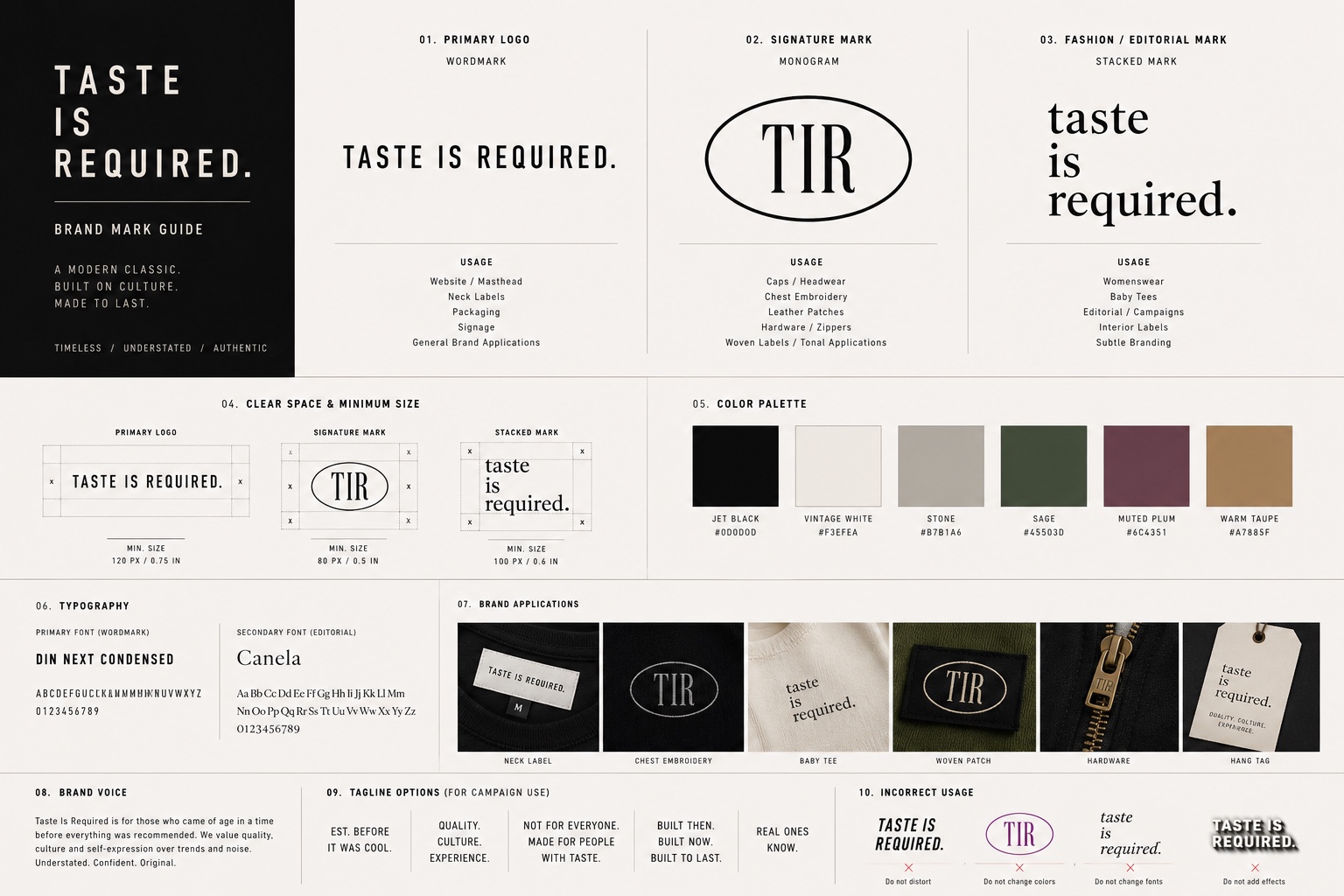 01Point of view
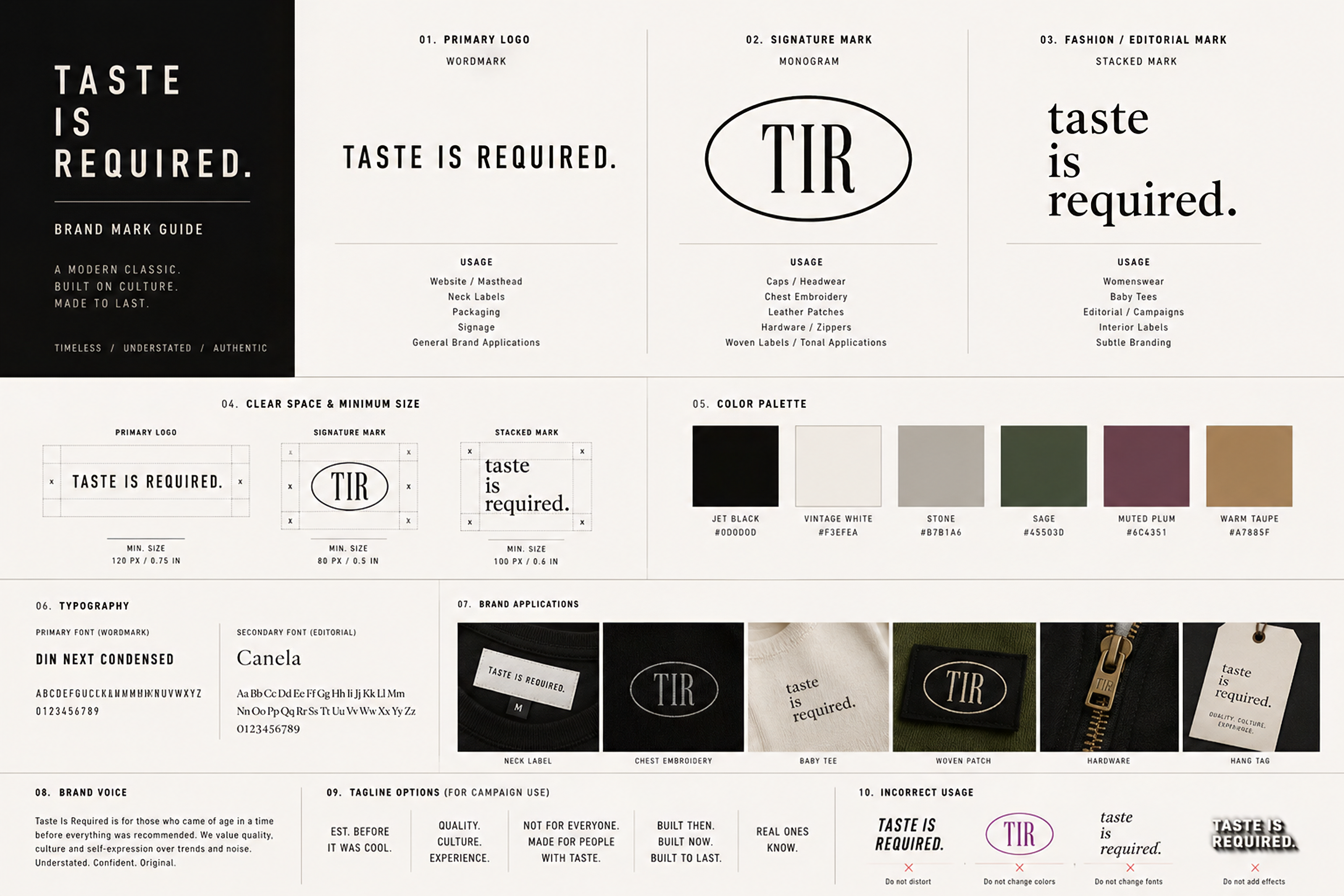
Brand rules made the system legible.
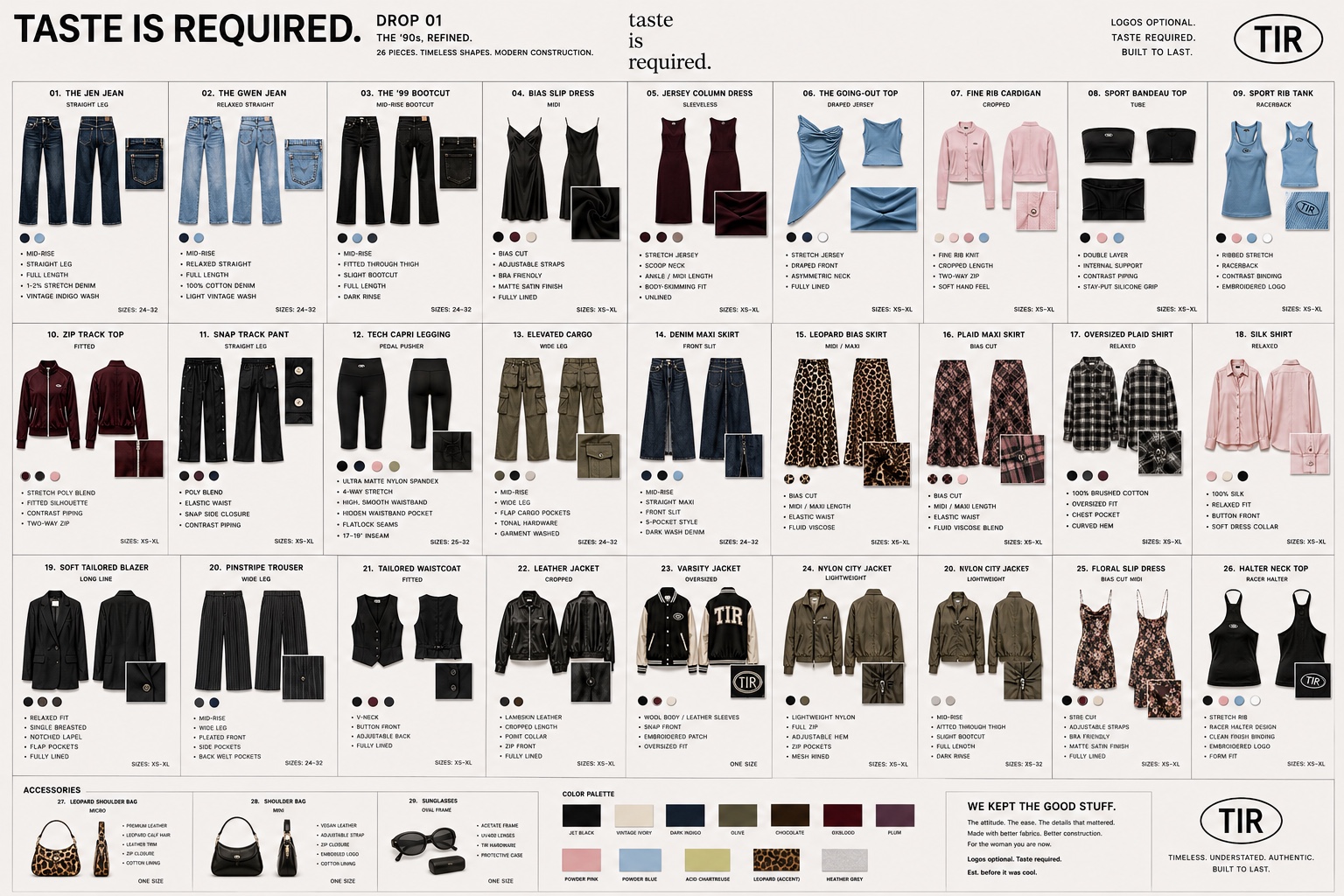 02Range and restraint
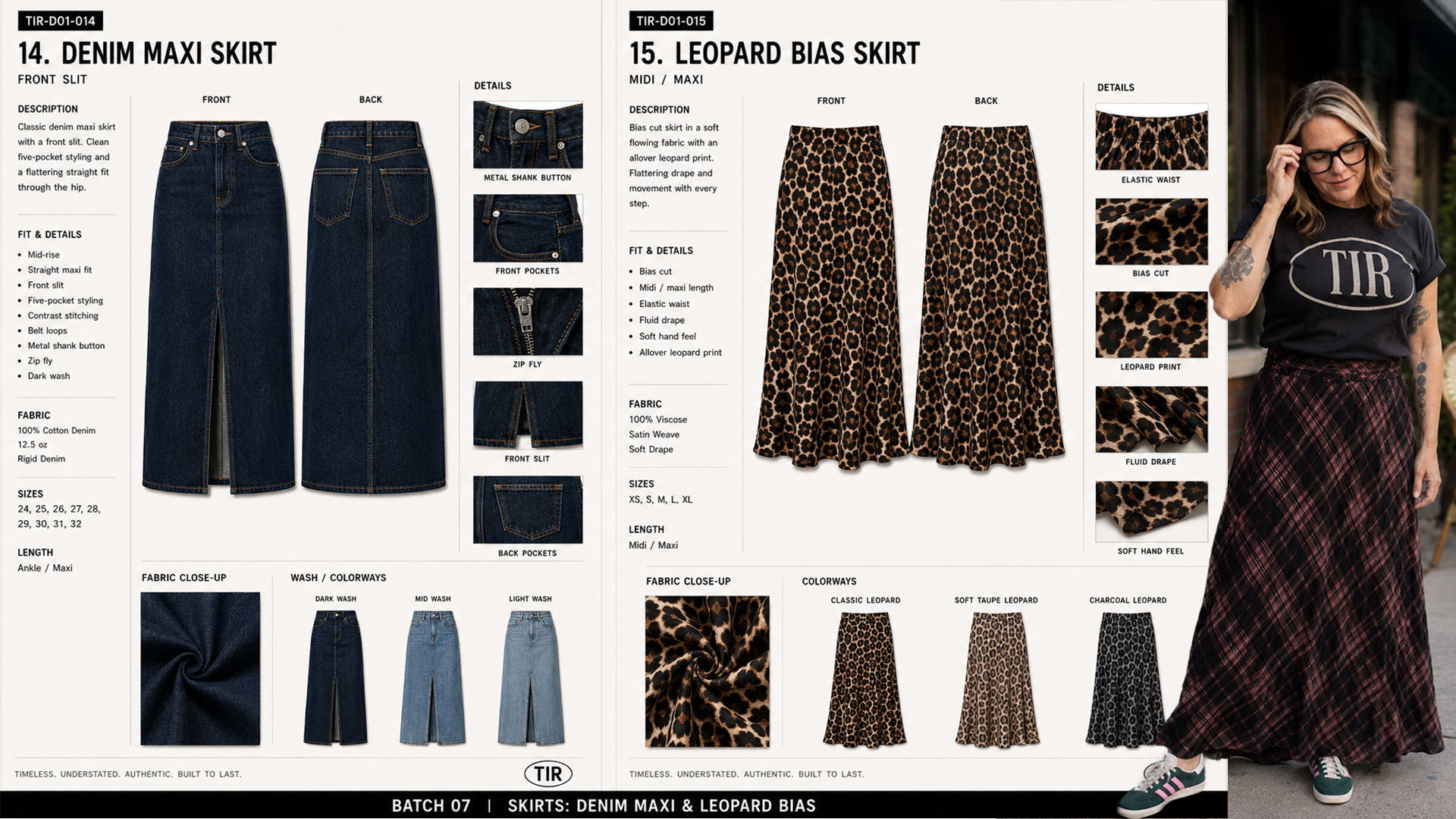
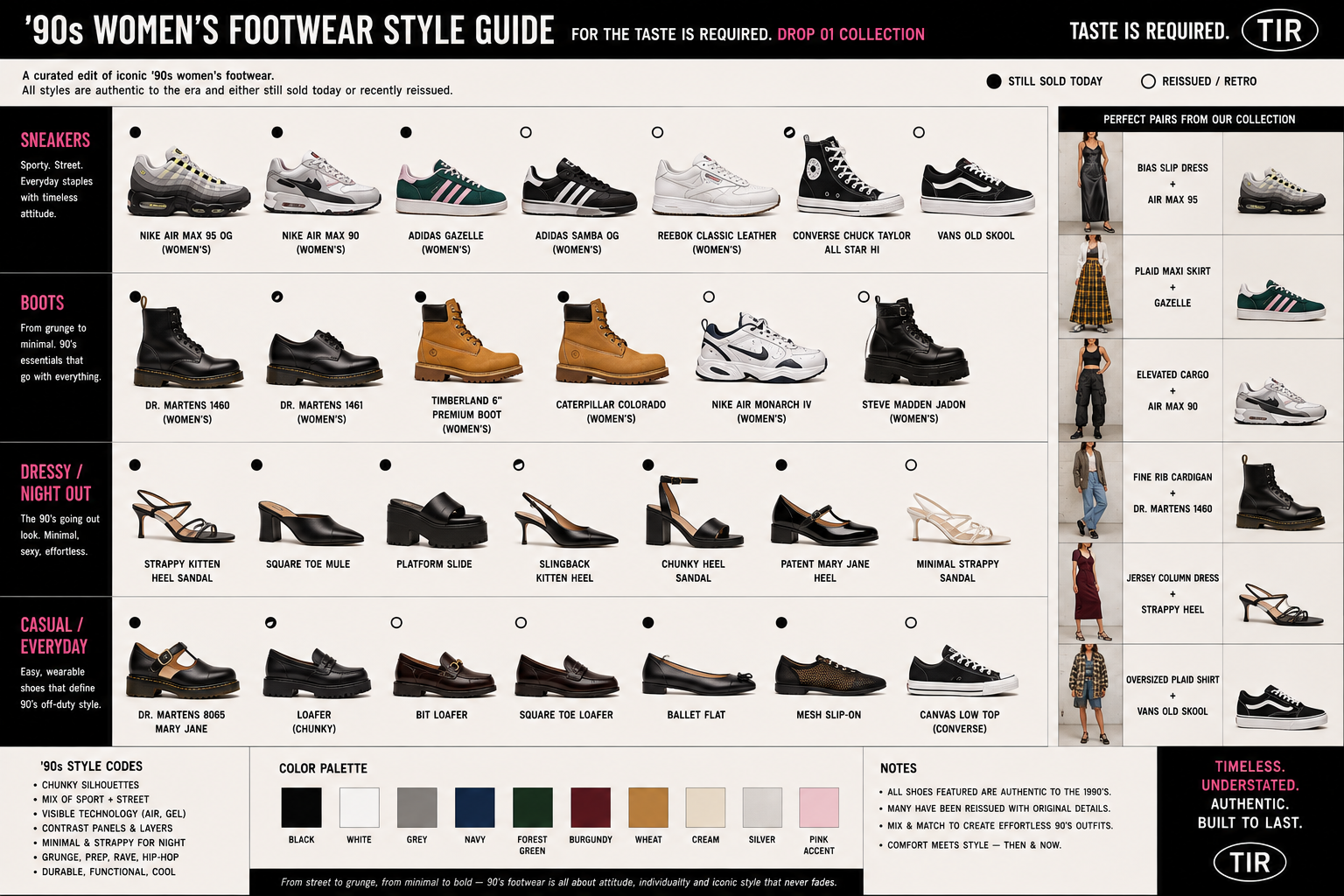
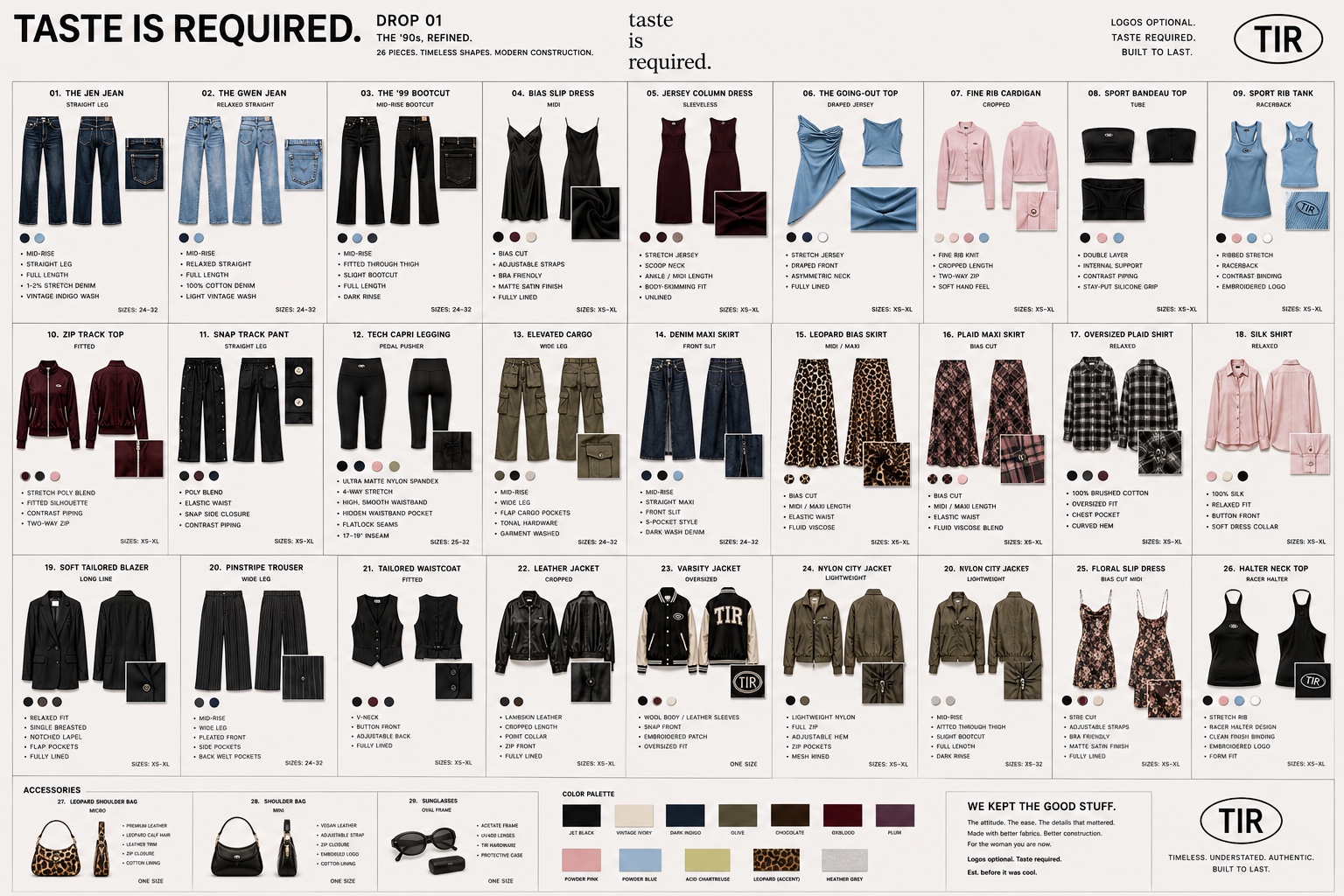
The master catalogue defined range and restraint.
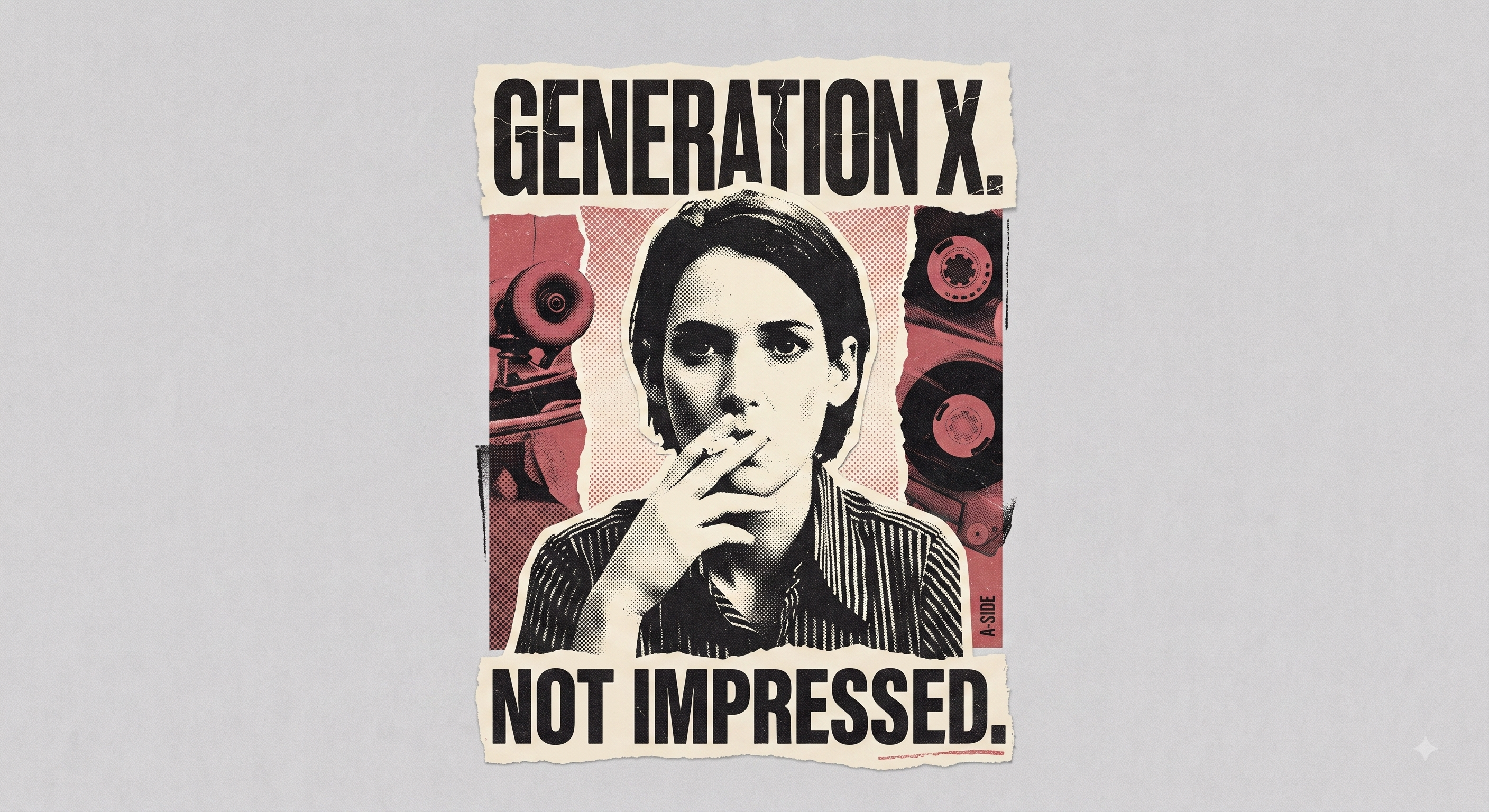
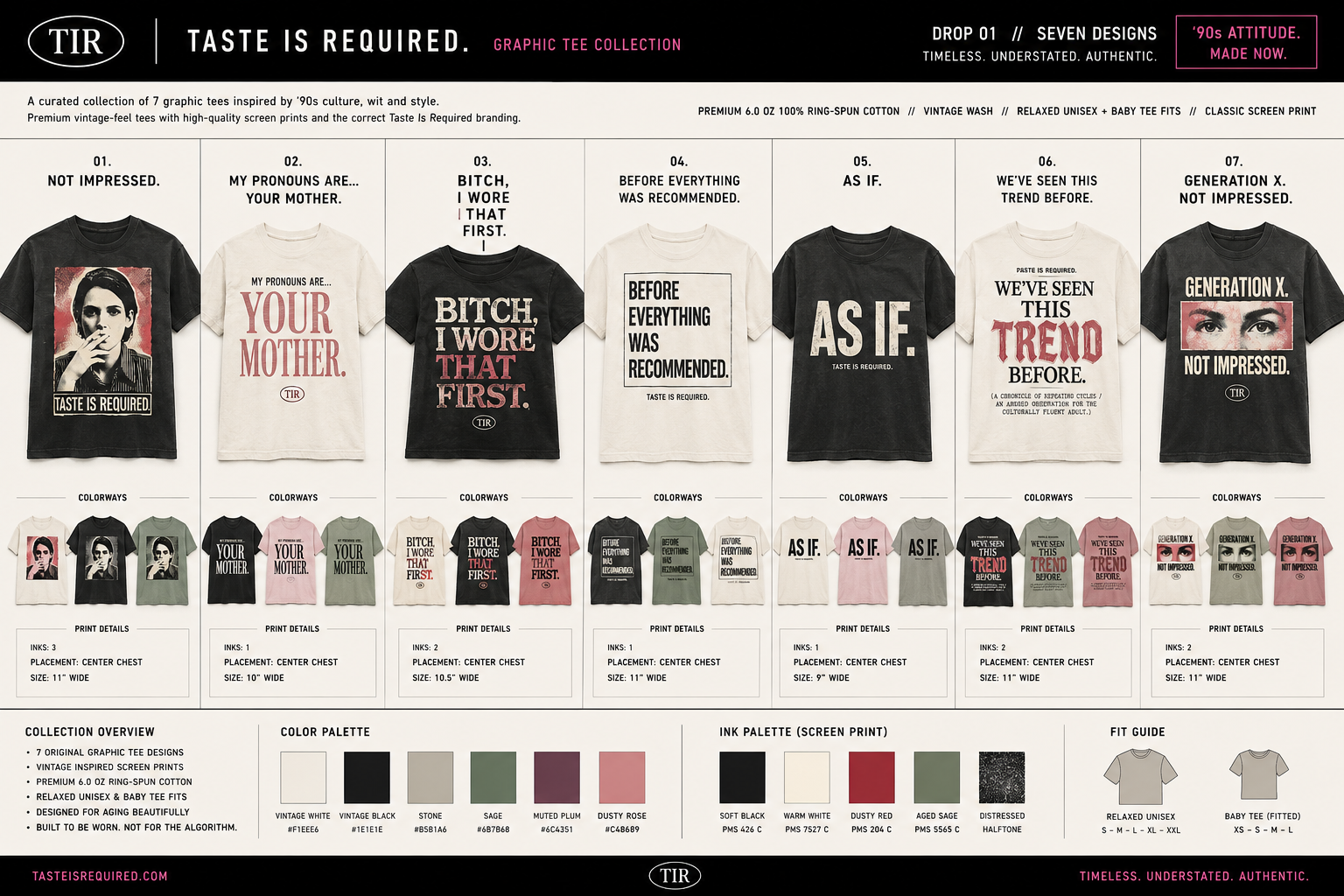 03Graphic point of view
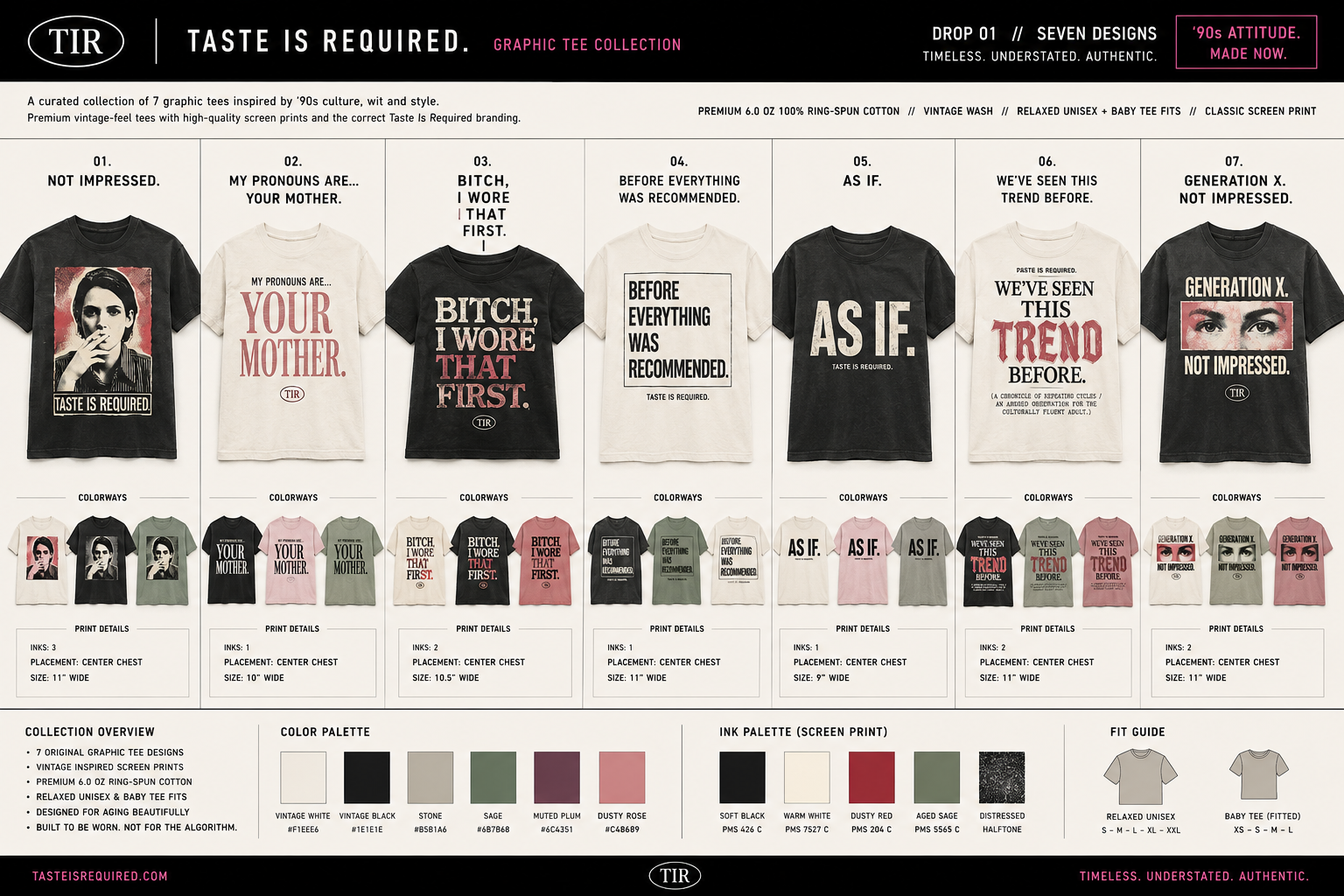
Graphic tees carried the point of view into product.
- 04A believable world
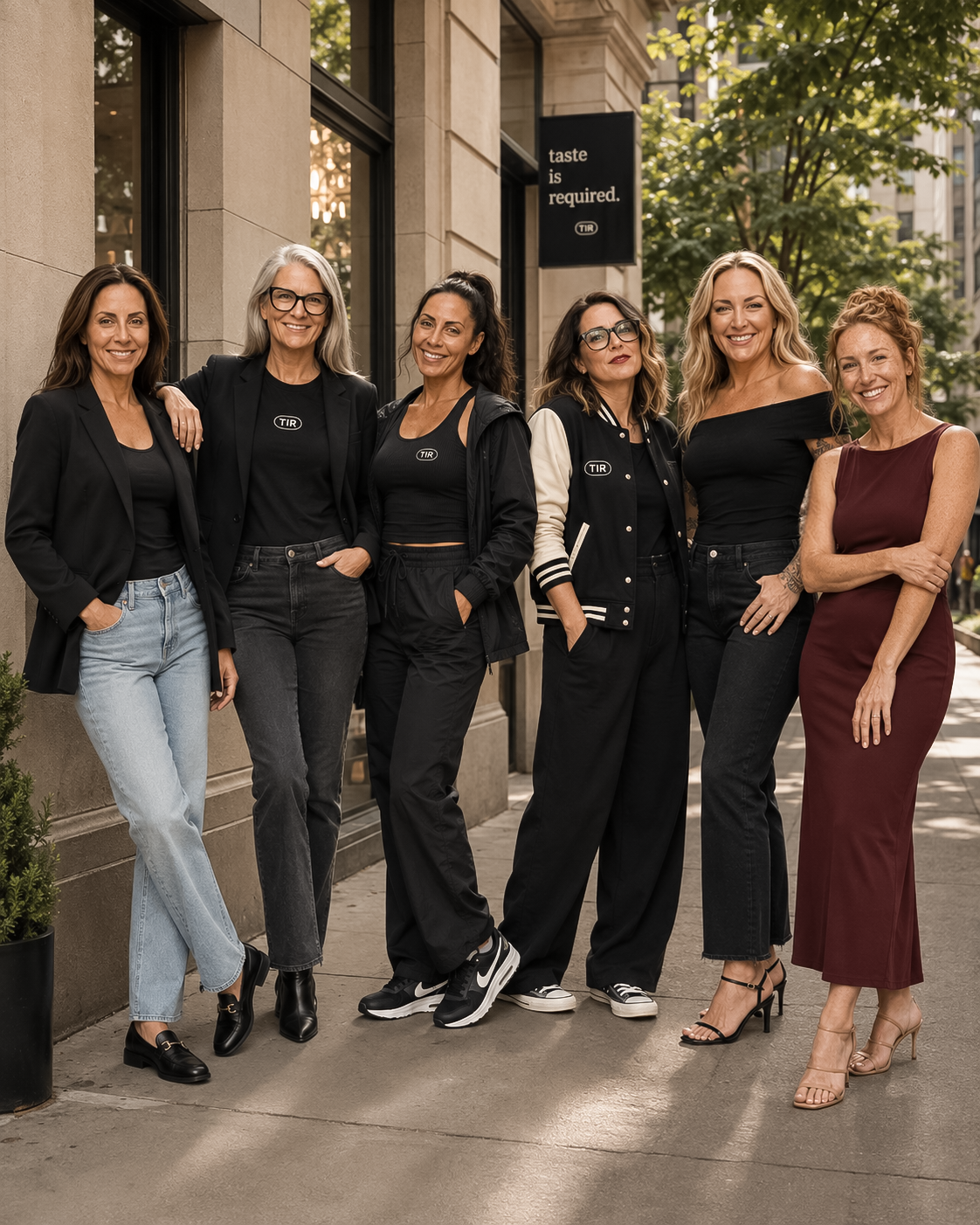
The cast made the world feel believable.
 05Campaign language
Campaign language proved it could live outside a deck.
 06A retail experience
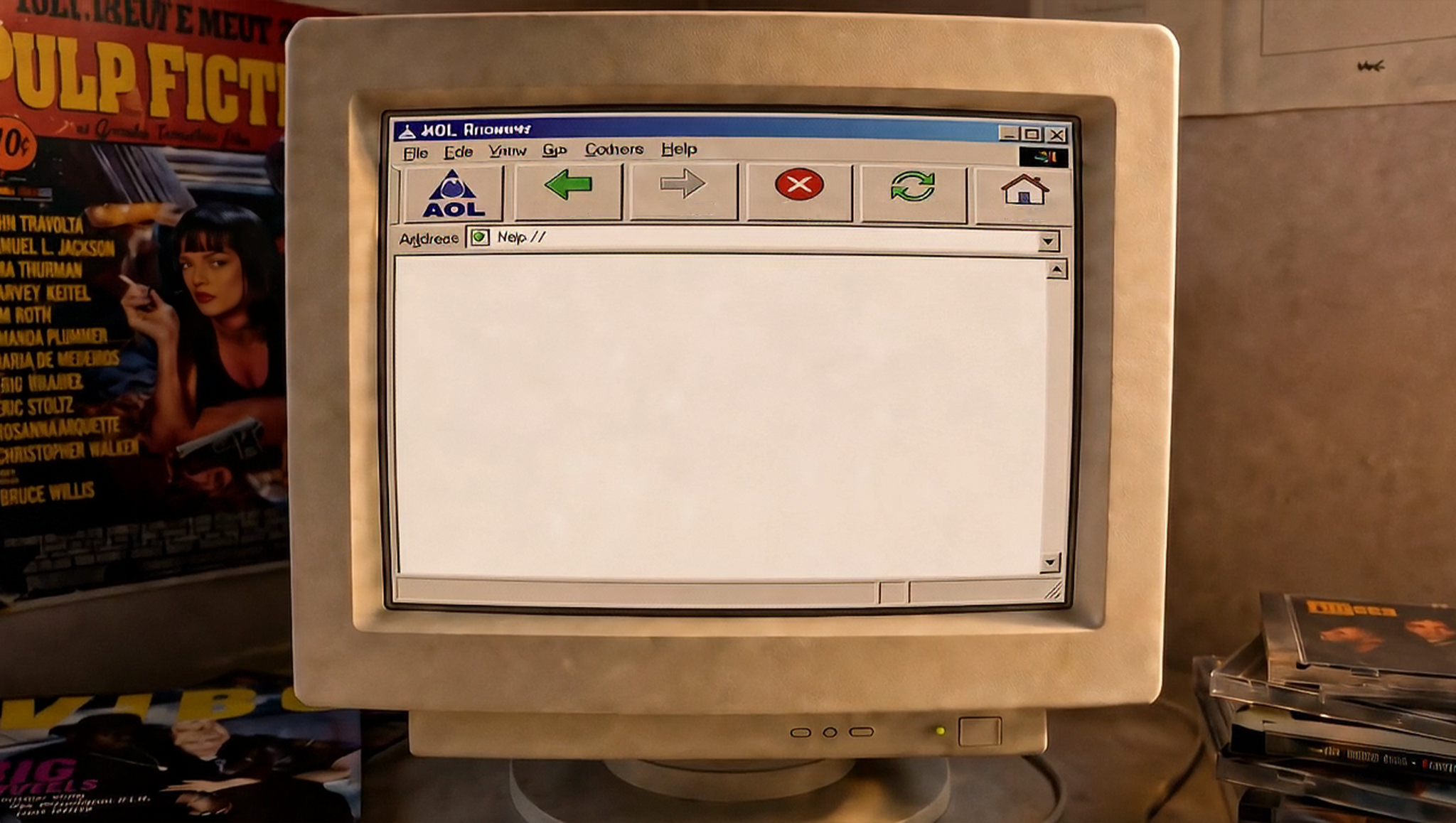
Dress Me turned the store into an experience.
04 / THE TEST
Could a retail world
feel authored—
not assembled?
That was the real test: whether product, styling, campaign imagery, retail displays and browsing behavior shared the same instincts when you stepped back.
.png)
05 / THE PROOF SHEET
A world is a lot easier to believe when you can see the rules.
06 / FINAL ARTIFACTS
The system had to travel.
06 / 02
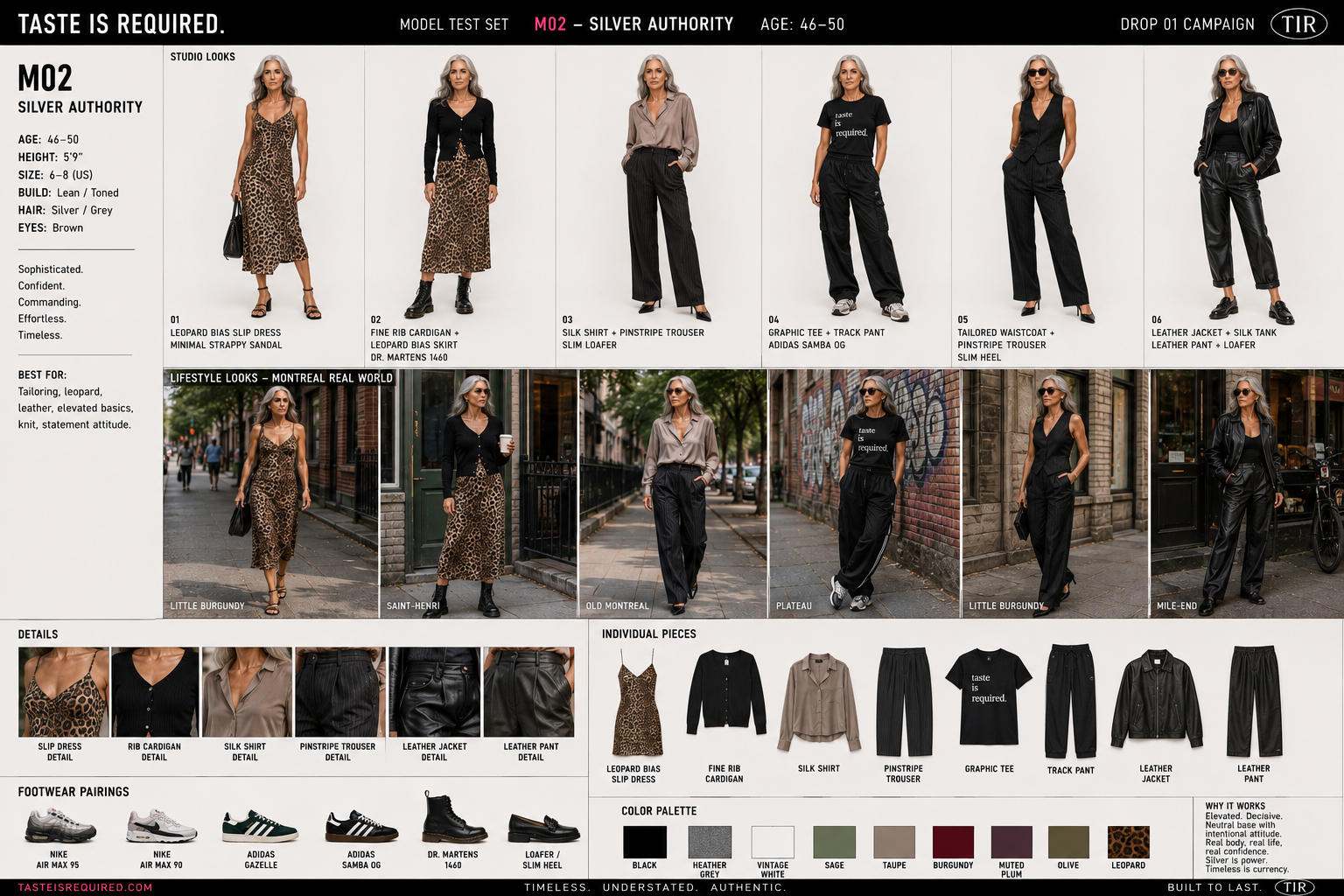
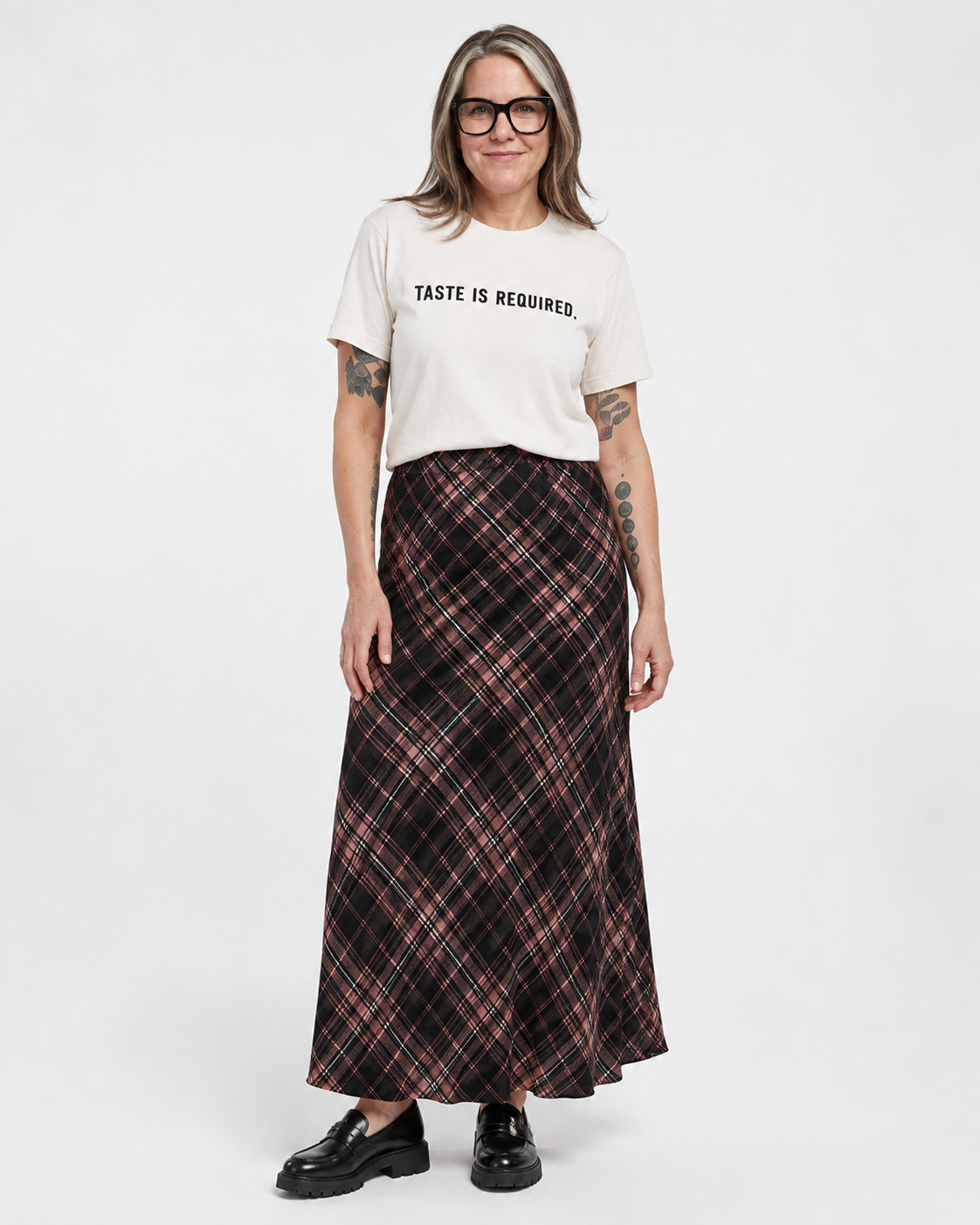
Models that feel real—with personalities of their own
The cast had to feel like people with their own taste, not mannequins hired to prove the clothes existed. The point was recognizable character, not perfect faces.
.png)
.png)
.png)
.png)
.png)
.png)
.png)
.png)
.png)
06 / 03
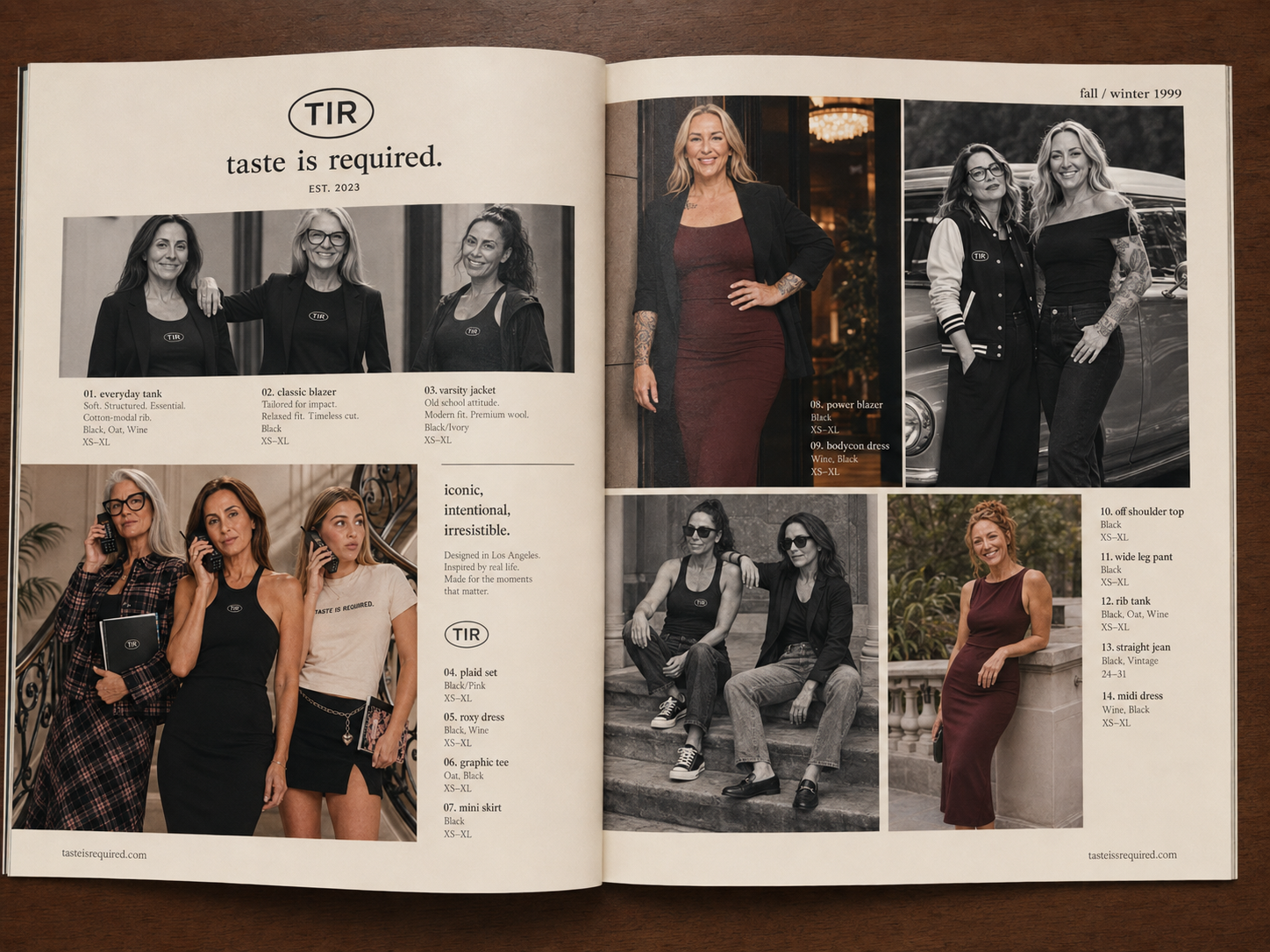
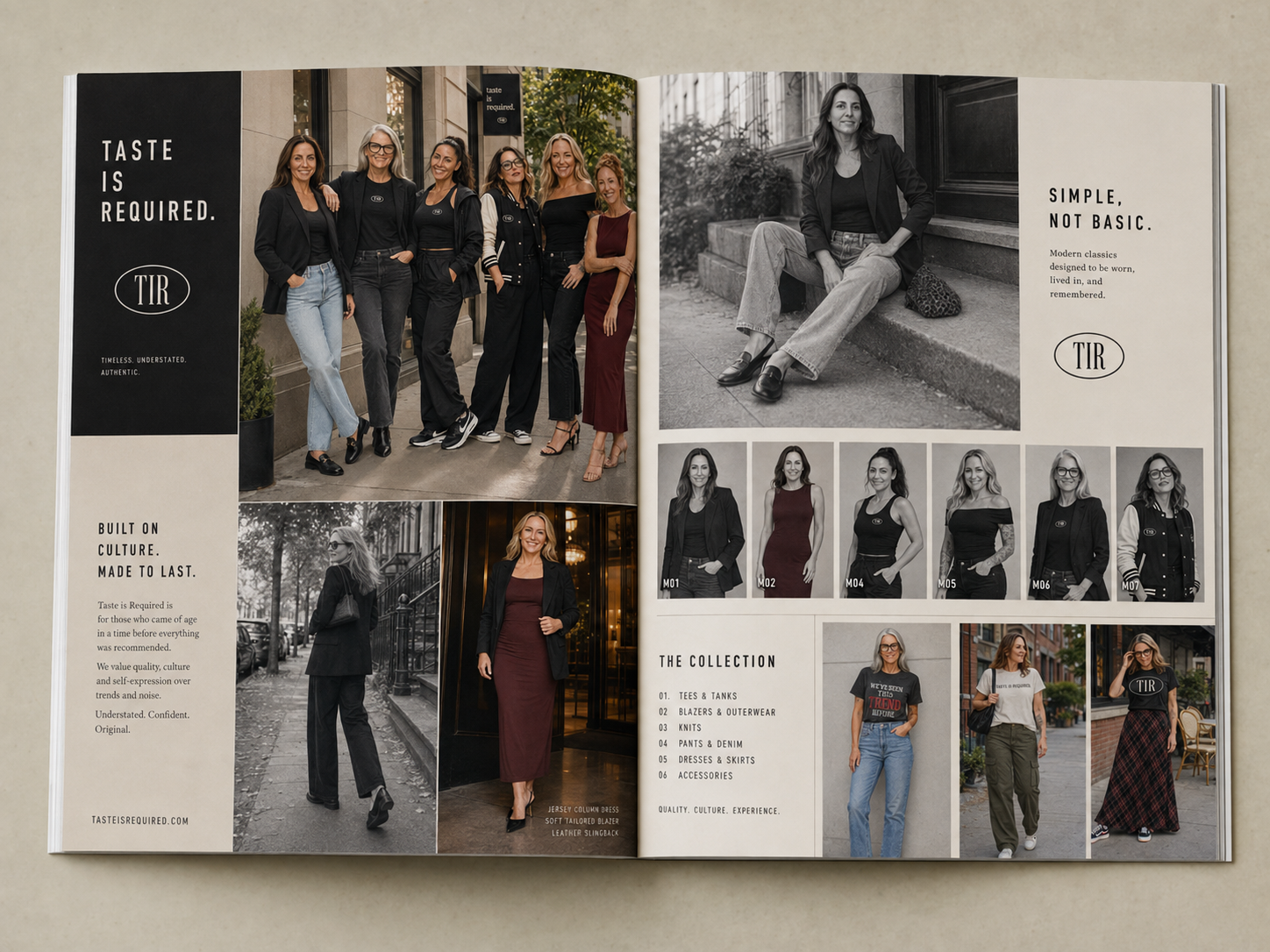
Print + POP campaign
This is where the idea has to survive outside the browser: paper, windows, a glance from six feet away and somebody’s extremely short attention span.
.png)
.png)
.png)
06 / 04
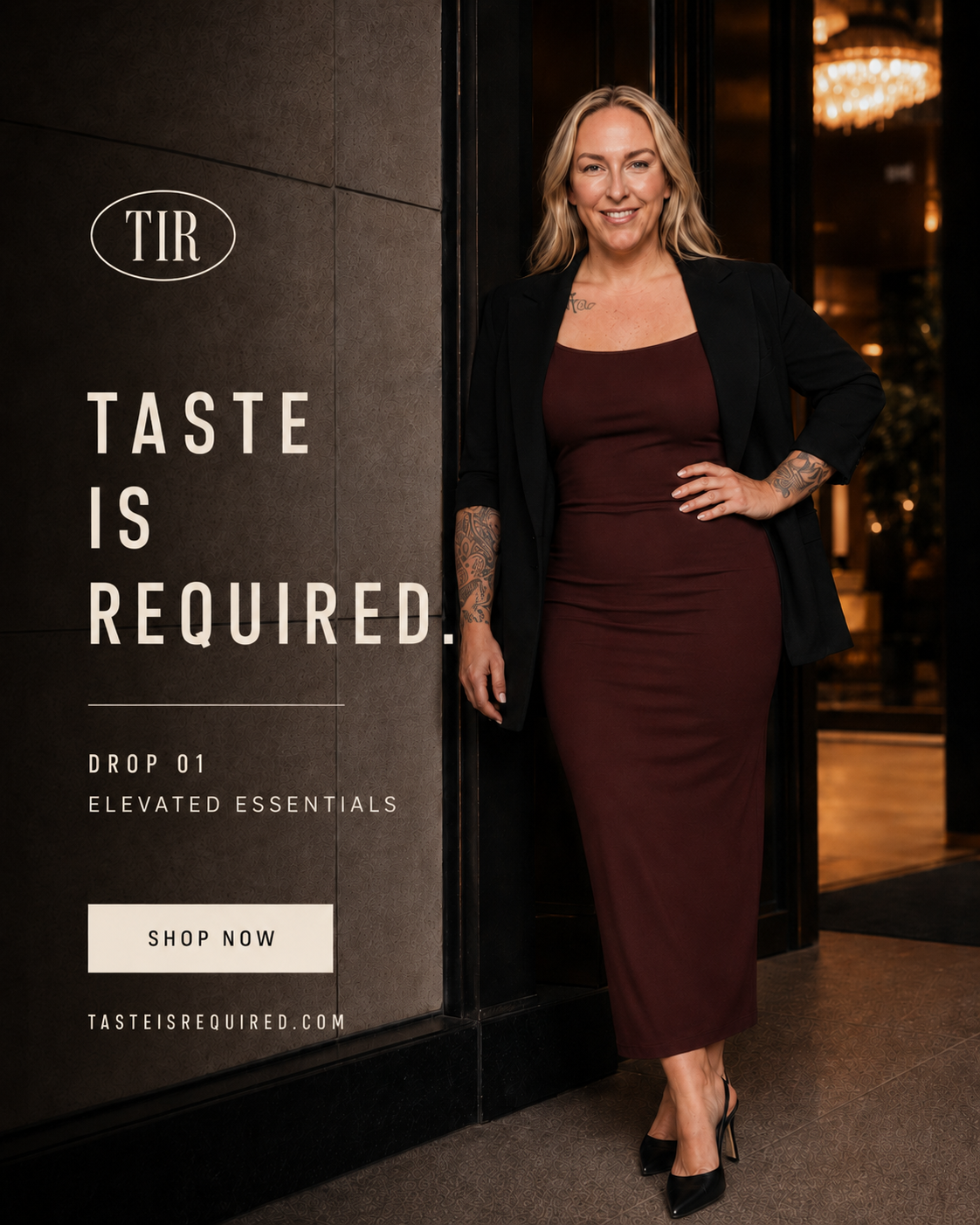
Digital campaign
The system had to translate at scroll speed without becoming another interchangeable campaign template. Same point of view, different native behavior.
.png)
.png)
.png)
.png)
.png)
.png)
.png)
.png)
.png)
06 / 05
Campaign video
A quick moving proof that the world could hold its mood once it had to breathe, cut and keep up.
07 / SELECTED OUTCOMES
One world.
Multiple surfaces.
A full brand system
Identity, language and rules—not just a logo.
A product world
Catalog logic, styling and retail-ready detail.
A campaign toolkit
Print, POP, social and editorial expression.
A live retail experience
Storefront, interactive Dress Me, and an actual place to enter.
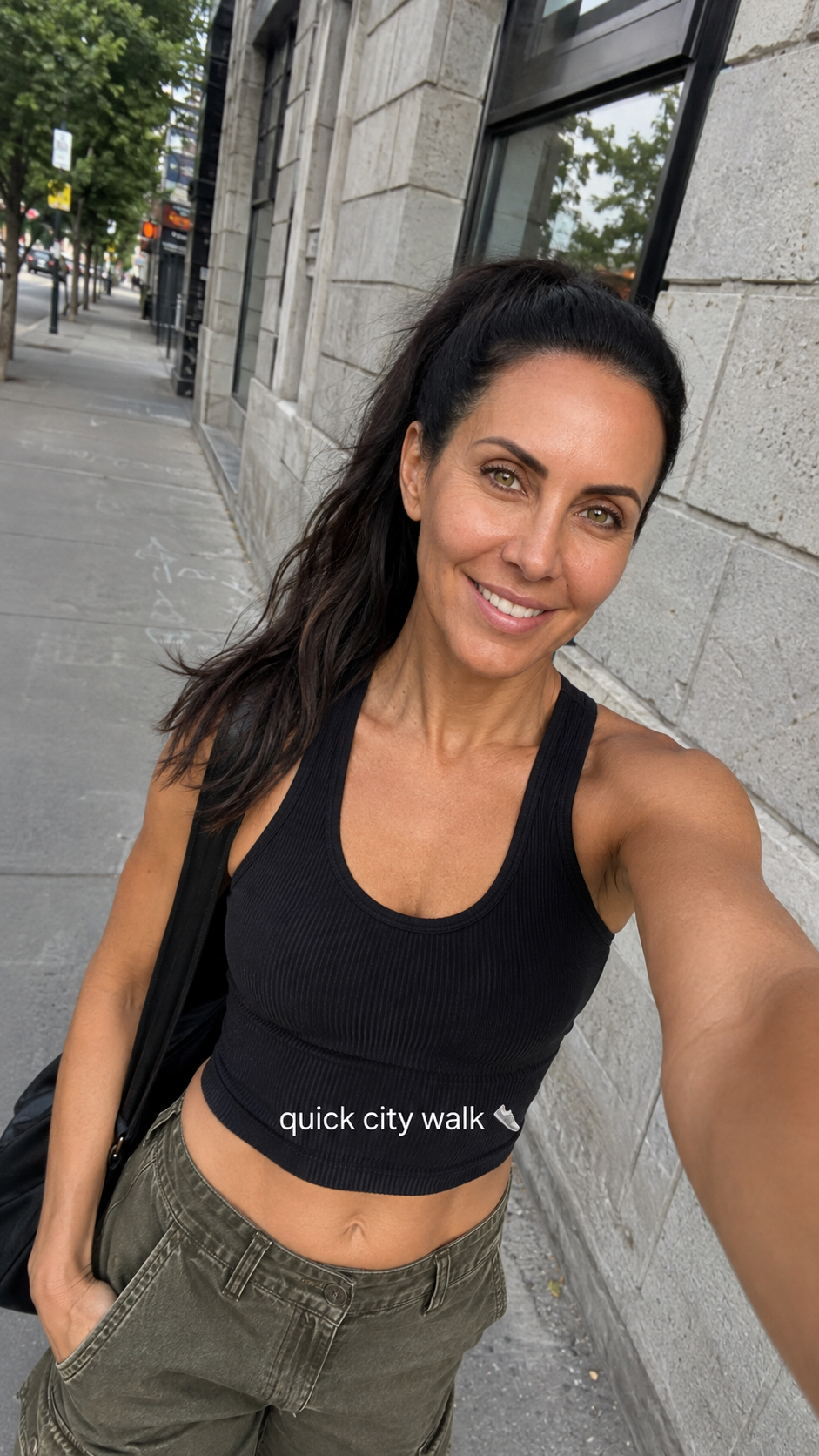
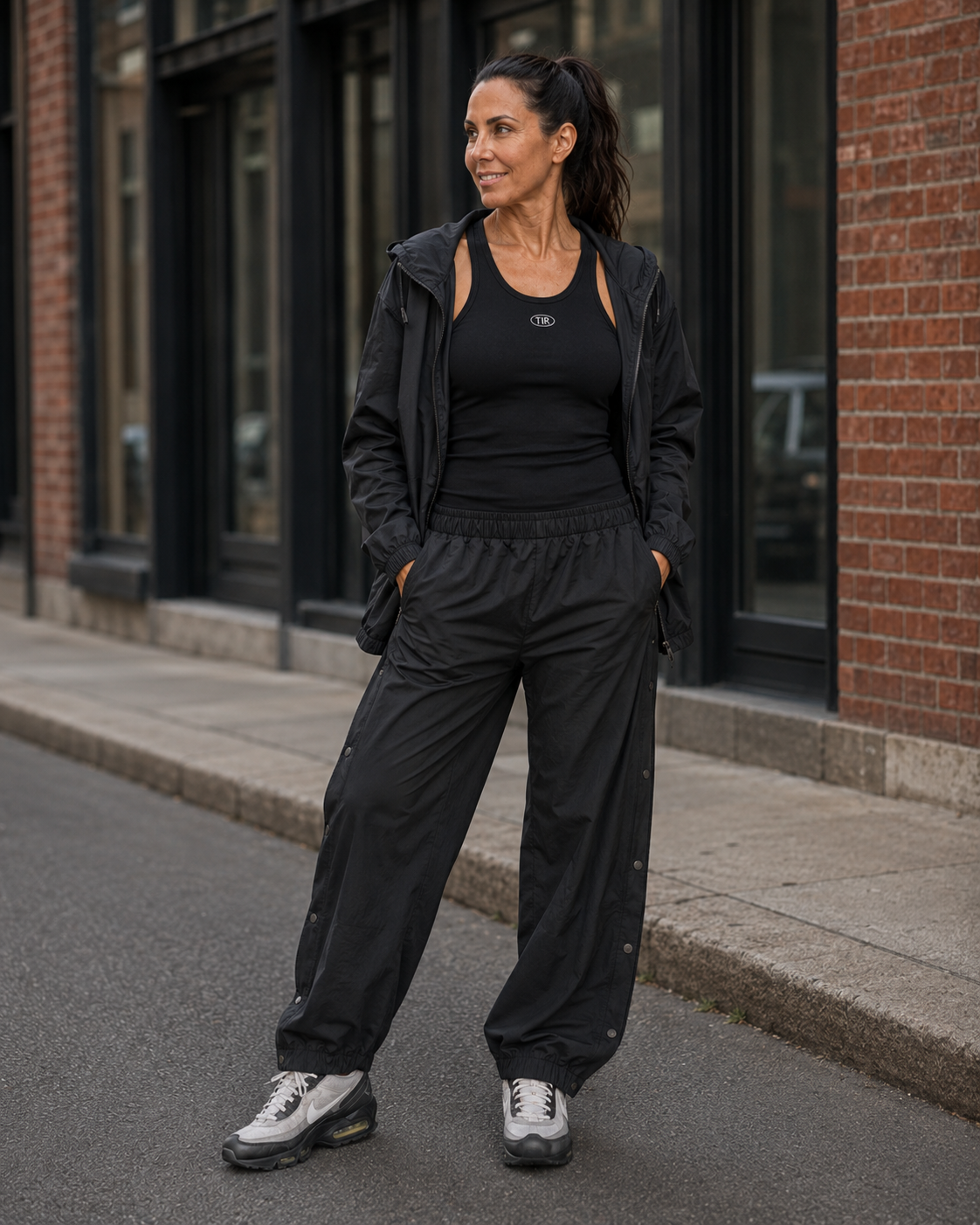
Retail-ready image language
Clothes that could leave the set.
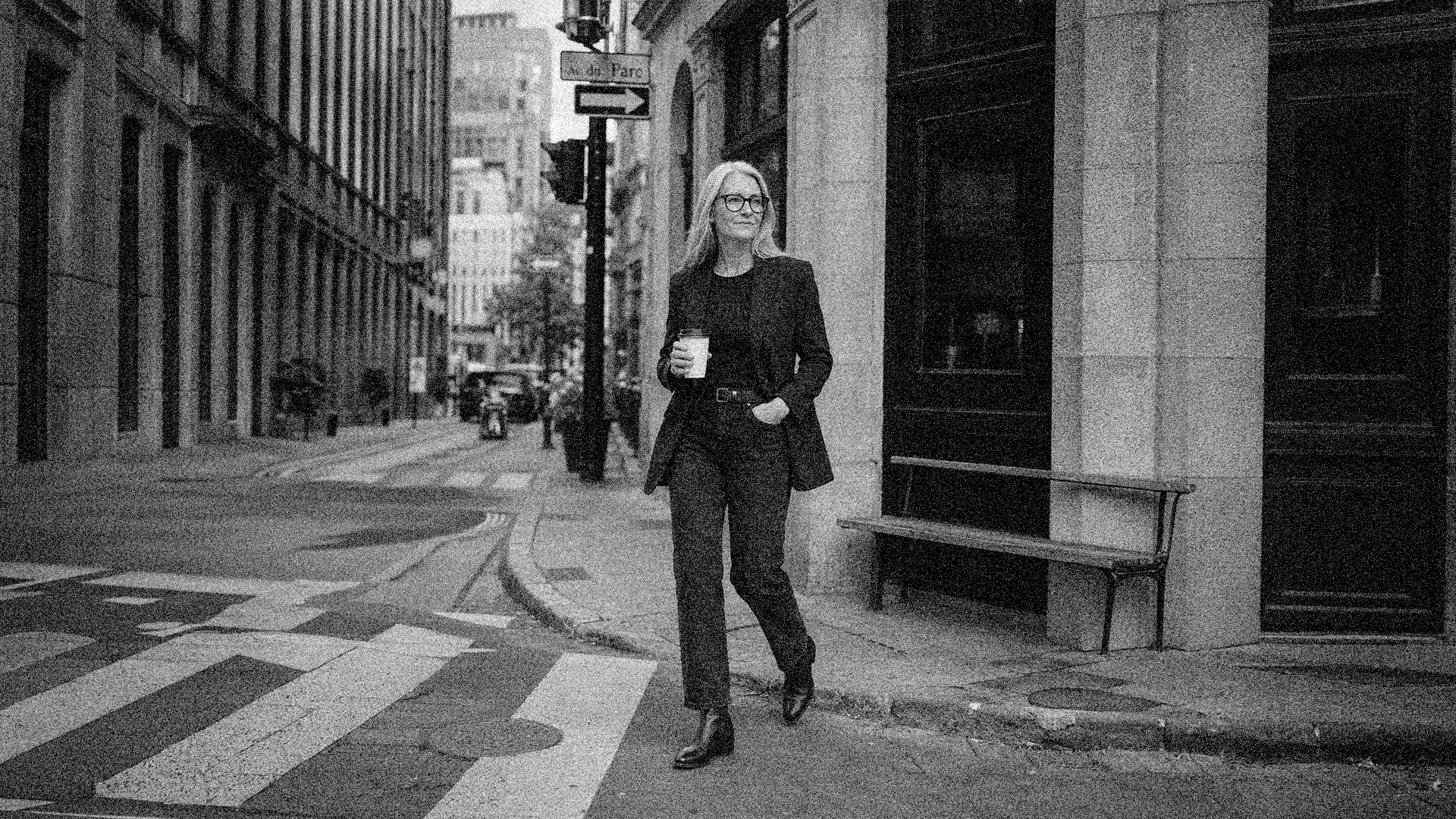
Retail-ready didn’t mean overly finished. It meant the product could sit in an ordinary moment and still carry the same point of view. The test was whether the clothes looked lived in—not merely placed.
Self-initiated retail concept / 2026
A store that lets you try the idea on.
The final interaction is not a static mockup. Click into the desk, sit down and browse the live storefront.
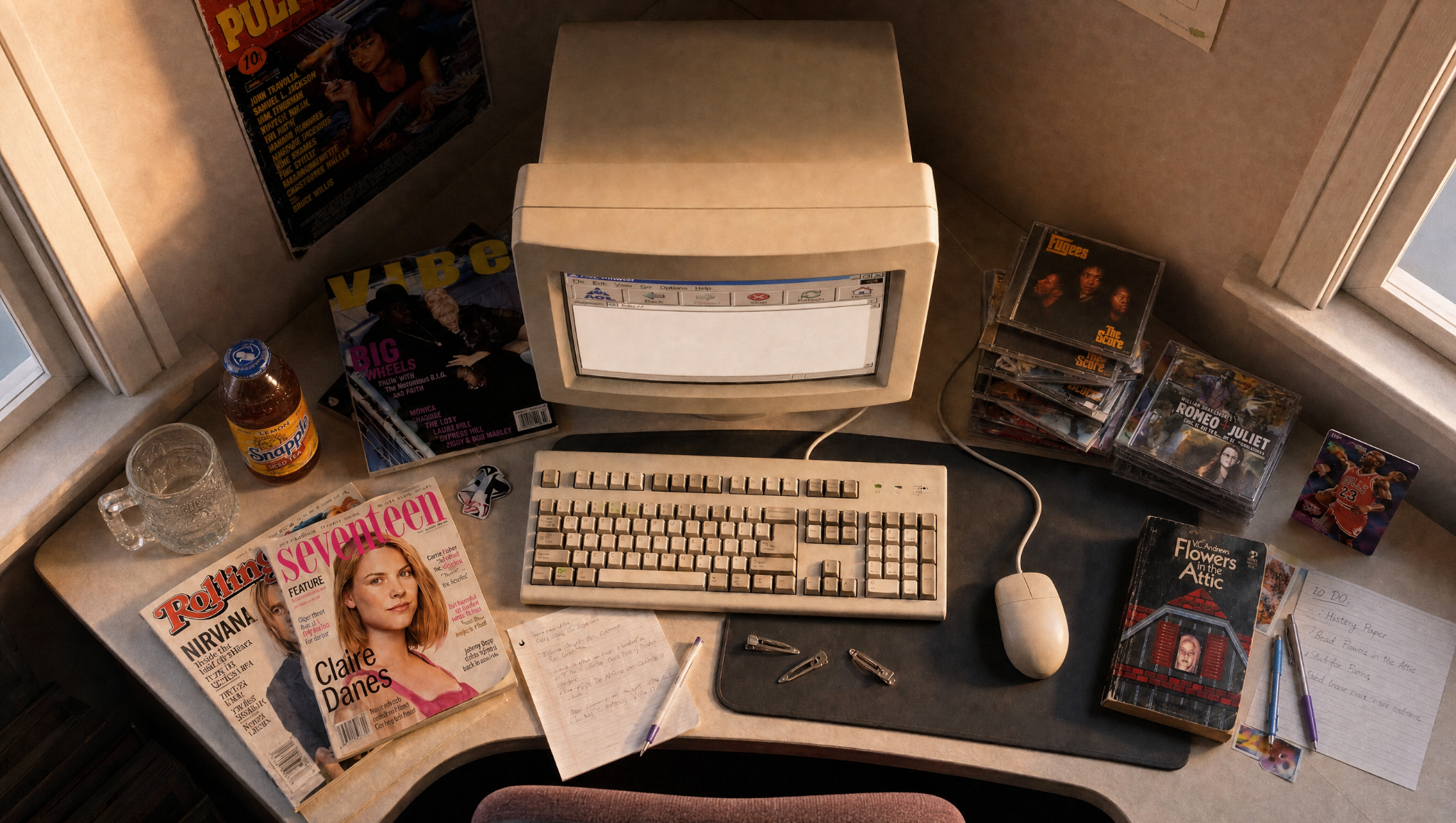
CLICK THE CRT TO SIT DOWN
VIEW ITFULL SIZE
OPEN SHOP ↗
Dress me / retail interaction
A store that lets you try the idea on.
The product system created a natural next question: what if browsing became styling? Dress Me is a real interactive module inside the storefront—not a case-study simulation.
Open Dress Me full size ↗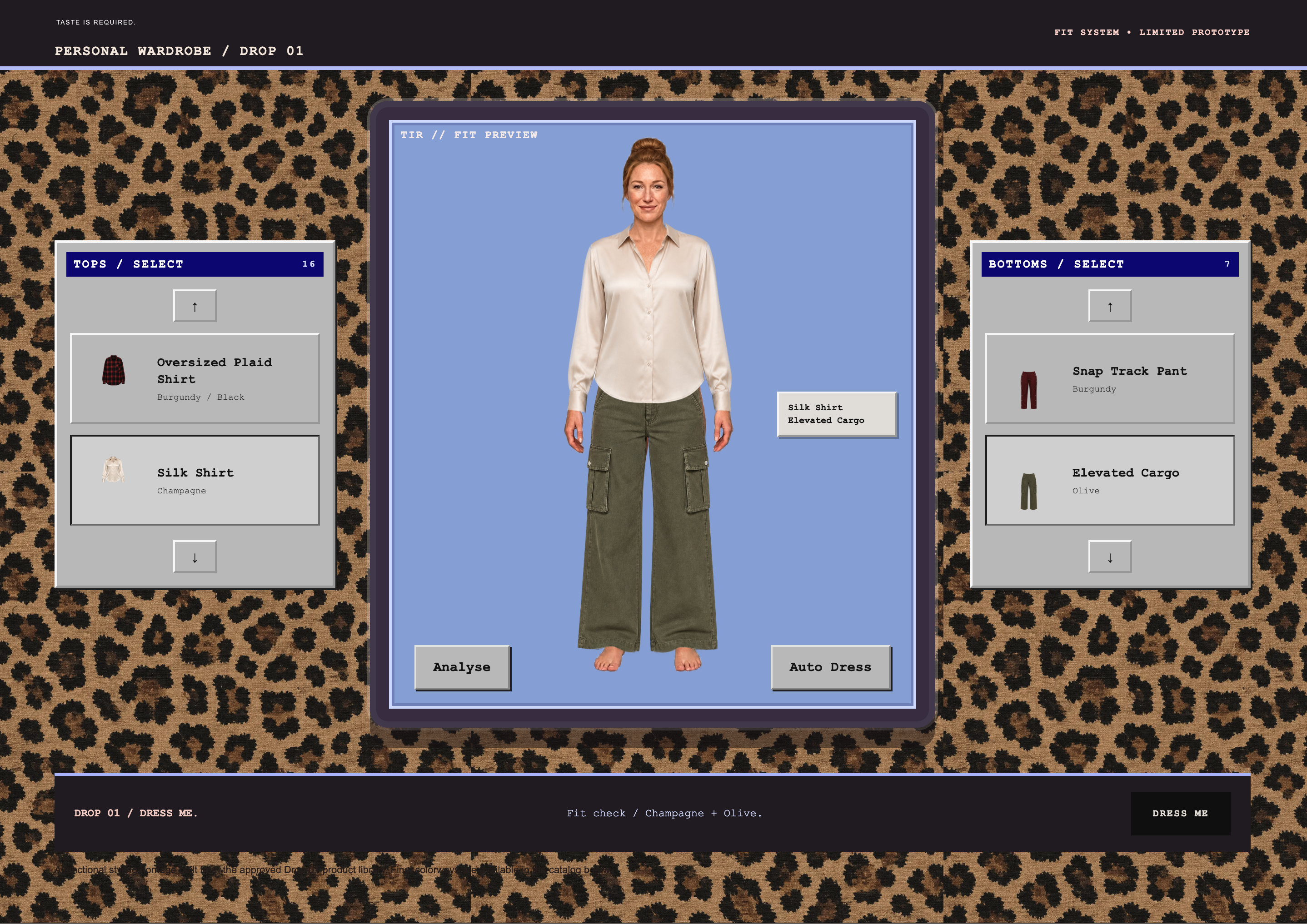
09 / THE CLOSE
The public story is the finished system.
This was not about proving that AI could make an image. It was about proving that taste still has to make the call.
Taste Is Required started as a point of view and became a world with rules, product logic, people, packaging, campaign language and a storefront someone can actually enter. The process was messy in the useful way: make, test, reject, refine, keep going.
A brand is not finished when the deck looks good. It is finished when it can leave the deck and still sound like itself.
Visit the live storefront ↗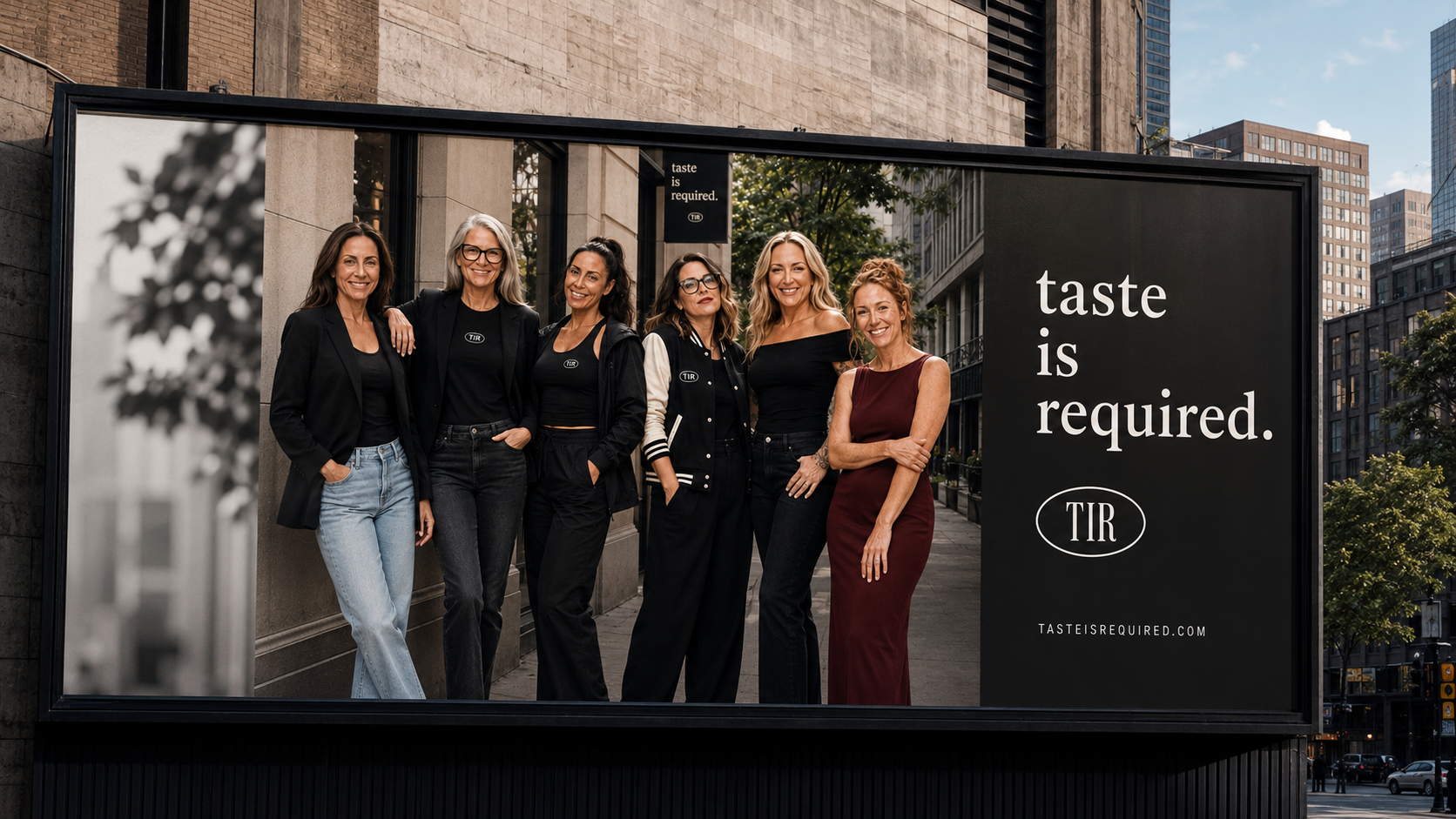
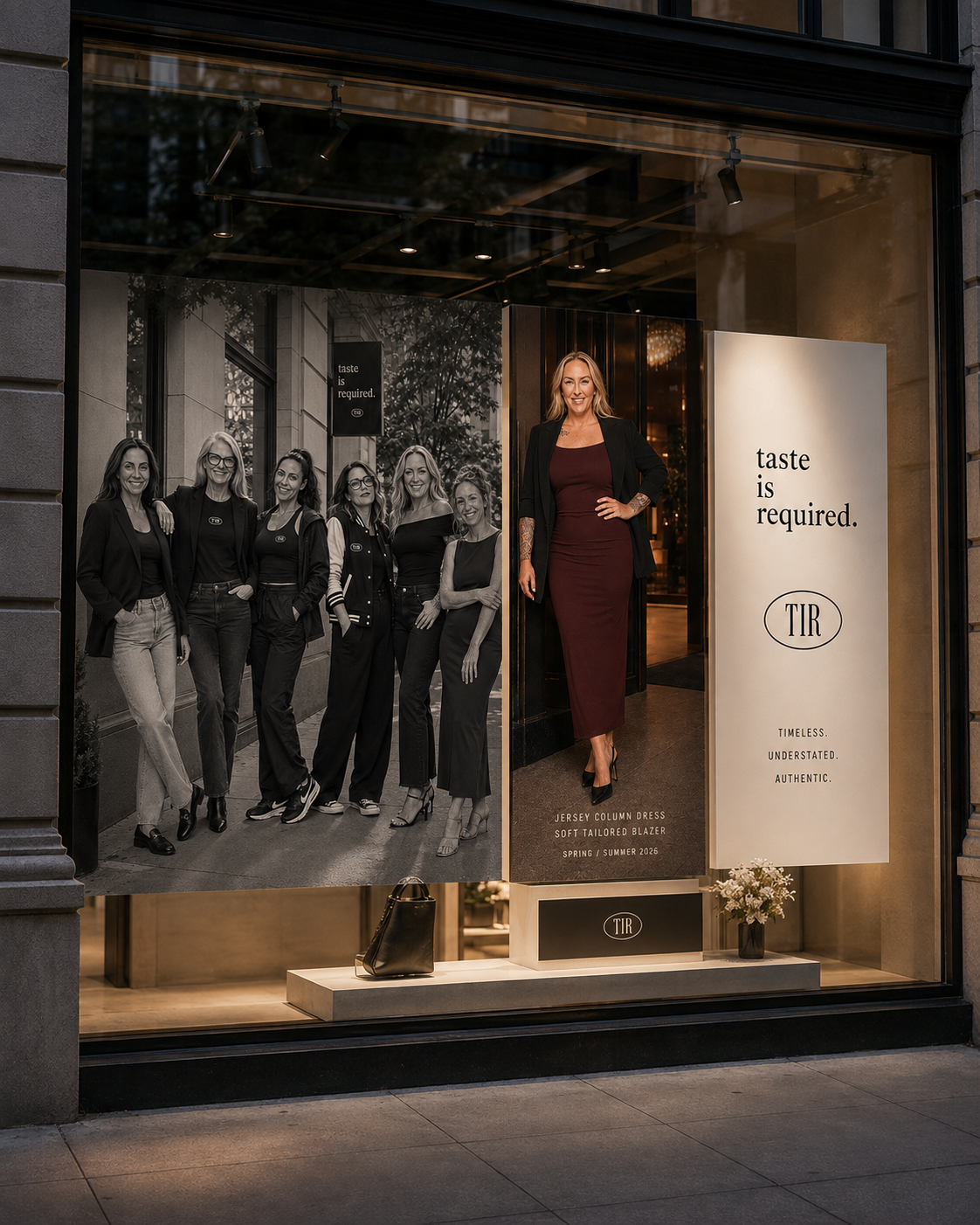
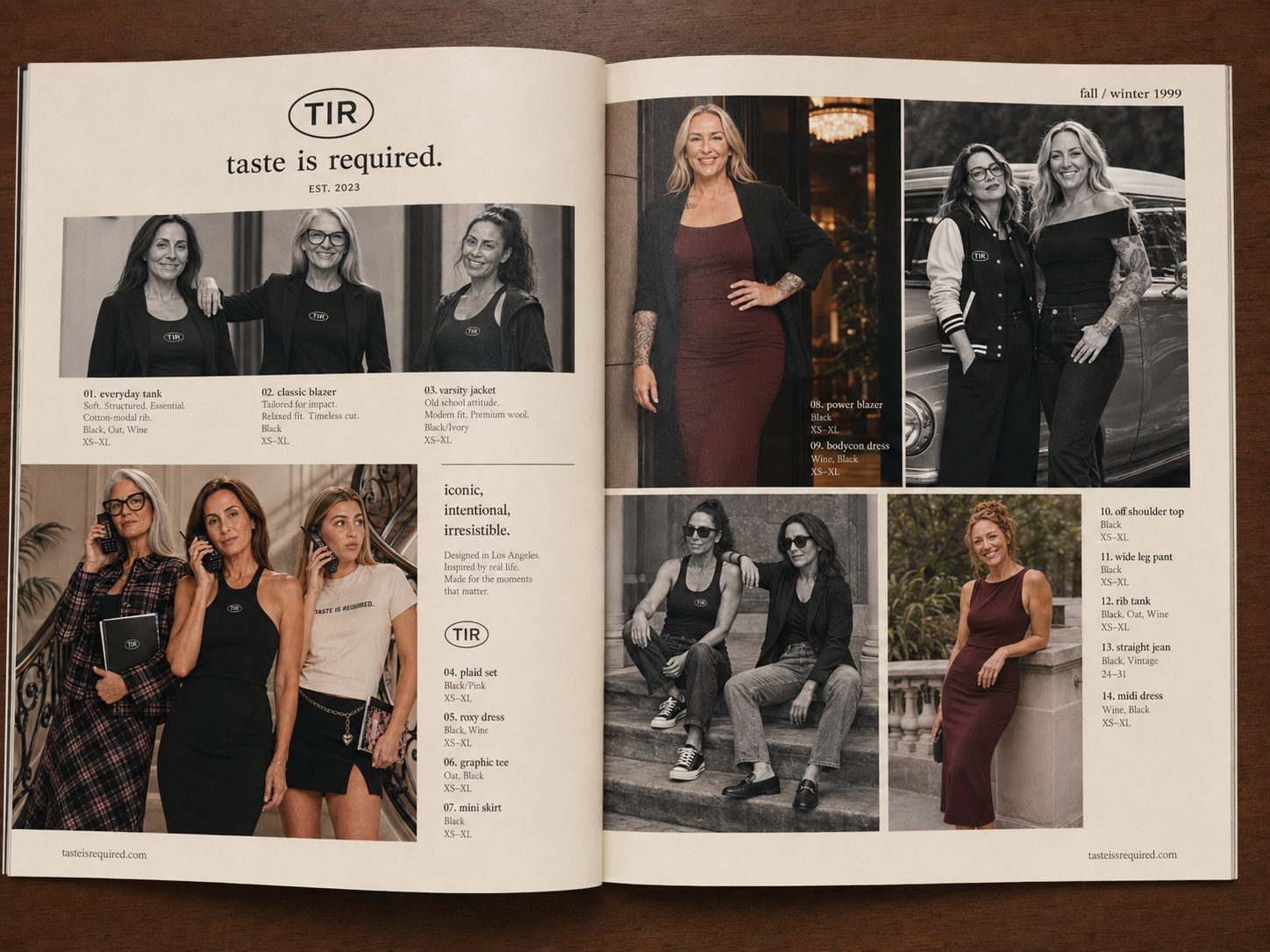
06 / 01
Branding + product development
The useful part was never a logo sheet. It was a working set of rules: marks, proportions, product language and enough structure to keep the fun from turning into a yard sale.